Suet for backyard birds
If you’re looking to upgrade your backyard bird-feeding strategy near Elk River, MN then adding Suet for backyard birds may be the missing piece. Unlike standard seed blends, suet provides birds with concentrated calories and fat, which become critically important in colder months — especially for insect-eating birds whose natural food sources are dwindling. In this post we’ll explain what suet is, when and how to feed it, which birds it attracts, and how you can integrate it into your bird-feeding program.
What is Suet for backyard birds?
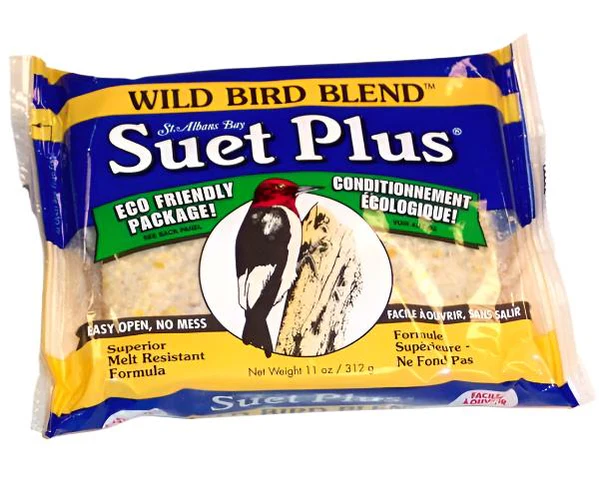
In the bird-feeding world, suet usually refers to rendered animal fat (traditionally beef or mutton fat) that’s been formed into cakes or blocks, often mixed with seeds, nuts, dried fruits or insects. Wikipedia+1 Suet cakes are popular because the fat content supports rapid energy uptake — ideal for birds maintaining their metabolism in cold conditions. Kaytee+1
For example, the blog from Garden Bird Feeders states: “Suet and fat-based foods are excellent choices for feeding garden birds … providing essential nutrients and energy throughout the year.” Garden Bird Feeders
Why Feed Suet for backyard birds? The Benefits
Here are the primary advantages:
- High energy / fat content: When food is scarce (insects, berries, etc.), suet gives birds a “quick fuel” source to maintain body heat and activity. BirdWatching+1
- Attracts a wider variety of birds: Many birds that don’t readily visit seed feeders will respond to suet — e.g., woodpeckers, nuthatches, chickadees, wrens. Kaytee+1
- Less wasteful (in some respects): Suet blocks are less likely to spill and sprout unwanted seed volunteers in your lawn or garden. Kaytee+1
- Year-round appeal: While suet is especially useful in winter, appropriately managed suet can be offered in spring (nesting season) also. Birds Connect Sea
For backyard bird feeding enthusiasts in Minnesota (or any region with cold winters), suet is a smart addition to your feeding plan, especially if you already carry feed, seed, and bird house supplies.
When and How to Use Suet
When:
- Fall and winter are peak times when suet makes the most difference. In colder climates, natural insects and other high-energy foods become scarce, so suet helps birds maintain body heat. Wild Bird Feeding Institute
- Spring and early summer also offer good opportunities — growing birds and brooding parents benefit from the extra protein and fat. Birds Connect Sea
- In warm weather, caution is needed because suet may melt, spoil or cause feathers to be matted with fat (which can reduce insulation or waterproofing). Bird Care Oregon
How:
- Use a dedicated suet feeder — typically a cage-style feeder or log/branch mounted feeder that holds a suet cake or plug. Avian Report+1
- Place the feeder in a sheltered area (partial shade), preferably near trees or shrubs (so birds can retreat to cover) but not so close to reflective windows where collisions might occur. Birds Connect Sea
- Monitor for spoilage. In warmer weather or sunny locations, suet may soften or go rancid and should be removed. Birds Connect Sea+1
- Clean feeders regularly to prevent mold, bacterial growth, or fat-coated feathers. Bird Care Oregon
Types of Suet and Feeder Considerations
Not all suet is created equal. Some key points:
- Standard suet cakes are made of hard rendered fat plus add-ins (seeds, nuts, fruits, insects). Decker’s Nursery
- No-melt suet formulations are available (especially useful in warmer climates) to prevent melting and mess. Moana Nursery+1
- Shapes & forms: Cakes, blocks, plugs, nuggets, fat balls. Each has pros and cons. For instance, suet cakes may give more volume efficiency than balls. Ecobird
- Feeder design matters: A cage feeder can help deter squirrels or larger birds, keep the cake secure, and enable perching by smaller species. Also design to reduce contact of fat with birds’ belly feathers (which can impair insulation). Bird Care Oregon
For your store (Marties), you can carry a selection of suet cakes (standard and no-melt), suet feeders (cage style, log style), and offer guidance to customers on placement, species attracted, and seasonal timing.
Which Birds Will Come?
Using suet opens your yard to species you might not always see at seed feeders. Some common suet visitors include:
- Woodpeckers (Downy, Hairy, Red-bellied)
- Chickadees and titmice
- Nuthatches
- Wrens, wrens sometimes
- Jays and other larger birds
- Some warblers or migration visitors in late season Elk River, MN Suet for birds
Including suet in your bird-feeding offering is a good way to upsell customers who want to diversify bird species, enjoy year-round bird activity, or build a “destination” yard for birdwatching.
Safety, Common Mistakes & Best Practices
Mistakes to avoid:
- Using soft-melt fats or placing suet in full sun: This risks fat coating birds’ feathers, compromising insulation and potentially causing hypothermia. Bird Care Oregon
- Leaving suet too long when portion size exceeds what birds eat: spoilage and mold become risks. Birds Connect Sea
- Placing feeders too close to windows (less than 3 ft) or too far (over 30 ft) without break—they may increase bird collision risk. Better Homes & Gardens
Best practices:
- Rotate or remove suet feeders when weather is warm or when birds are not consuming it.
- Choose feeders and location that discourage unwanted wildlife (squirrels, starlings) if that’s a concern. Many feeder designs support this. Avian Report
- Maintain a feeder hygiene schedule—clean and inspect regularly, replace old or rancid cakes, use shaded placement.
- Educate customers: Suet is a supplement, not a complete diet. Encourage combining feeding strategies (seed mixes, water sources, natural plantings) for a well-rounded habitat.
Integrating Suet into Your Store’s Program
Since you have a retail lawn & garden store (Marties) with a bird-feeding component, here are suggestions for how to integrate suet into your offerings:
- Create a “Suet Starter Kit”: a quality suet cake + suet cage feeder + placement/attraction guide. This can be a higher-margin bundle compared to standard seed.
- Use signage and educational materials in store (and on your website) highlighting the benefits of suet, how it attracts woodpeckers & other specialty birds, why timing matters (fall/winter & spring).
- Promote seasonal sales: e.g., “Fall Bird Feeding Special: Suet Cakes 2-for-1” as part of your high-margin product drive (you’re already shifting toward higher-margin categories).
- Offer a short flyer or blog post (linkable) about suet – you can embed internal links:
- Link to your blog article on bird feeding (“learn more about our bird-feeding program”)
- Link to your bird-feed and feeder product pages in your e-store.
- External links: Provide credibility — for example link to the article by Kaytee “Why Suet is a Top Food to Offer Wild Birds”. Kaytee
- Train your sales staff: Customers often ask “what’s the difference between seed and suet?” — so equip staff with quick talking points (see “Suet vs Seed” article). BirdWatching
Conclusion
If you’re serious about offering a comprehensive backyard bird-feeding solution, then adding suet should be part of your strategy. It’s an energy-rich, nutrient-dense feeding option that attracts a broader array of birds, supports birds in lean seasons, and can be positioned as a premium add-on to standard seed offerings.
In your store’s bird-feeding category, featuring suet cakes, no-melt blends, stylish feeders, and educational content will help differentiate Marties from commodity seed sellers, raise average transaction value, and engage repeat customers across seasons.
Link internally to your bird-feeding product category and blog posts on “how to build a year-round bird-feeding station”. Link externally to authoritative sources like the Kaytee guide or Audubon for extra credibility.
Stop in for some Elk River, MN Suet for birds and happy bird-feeding.